
Choosing materials for a home is about more than appearance. A beautiful material may not be suitable for every environment, while an extremely durable material may not provide the visual character a homeowner wants.
The challenge of modern interior design is finding materials that balance appearance, functionality, maintenance, and longevity.
Aluminum is increasingly useful in this regard.
Although commonly associated with construction and manufacturing, aluminum has become a valuable material for interior furniture, architectural features, decorative surfaces, lighting, fixtures, and accessories. Its combination of light weight, durability, design flexibility, and wide range of finishes makes it suitable for both small decorative applications and major interior features.
For homeowners and designers, understanding the advantages of aluminum can make it easier to determine where the material belongs within a home.
A Material That Combines Function and Decoration
Some decorative materials are primarily chosen for their appearance. Others are selected because they can withstand demanding conditions.
Aluminum can serve both purposes.
A decorative aluminum panel can become a visual focal point while also functioning as a room divider. An aluminum frame around glass can provide architectural structure while contributing to the style of the room. A metal shelf can offer storage while becoming part of the wall design.
This dual purpose makes aluminum valuable in interiors where every element needs to perform a practical role.
Lightweight Design Without a Heavy Appearance
One of aluminum’s most recognizable characteristics is its relatively low weight compared with many other metals.
In interior design, this can provide practical advantages.
Furniture and decorative structures can be designed with slimmer profiles, helping a room maintain a sense of openness.
This is particularly valuable in smaller homes.
A large, visually heavy shelving system can make a compact room feel crowded. A carefully designed aluminum system may provide storage while maintaining a lighter visual profile.
The same principle applies to partitions, frames, furniture, and decorative structures.
Durability for Everyday Interiors
Homes experience constant use.
Furniture is moved, doors are opened and closed, shelving is loaded and unloaded, and decorative surfaces are exposed to dust, cleaning, sunlight, and everyday contact.
Aluminum is valued for its durability and can be suitable for many of these applications when the appropriate alloy, construction, and finish are selected.
This makes it useful for areas where homeowners want long-lasting decorative features rather than temporary trends.
However, durability does not mean that every aluminum product is indestructible. Scratches, dents, coating damage, and other surface problems can still occur. Proper product selection and care remain important.
Resistance and Suitability for Different Areas
Aluminum’s properties can make it useful in areas where moisture or changing environmental conditions are considerations.
This is one reason aluminum appears in bathroom accessories, kitchen components, window and door systems, and other applications where material performance matters.
The specific suitability depends on the product and finish.
For example, an aluminum component designed for one environment should not automatically be assumed to be appropriate for another. Coatings, construction methods, exposure, and manufacturer specifications all matter.
Nevertheless, its versatility gives designers many options for bringing metallic details into different rooms.
Aluminum Supports Contemporary Architecture
Modern architecture often emphasizes open spaces, large windows, simple forms, and minimal visual clutter.
Aluminum works well within this design philosophy.
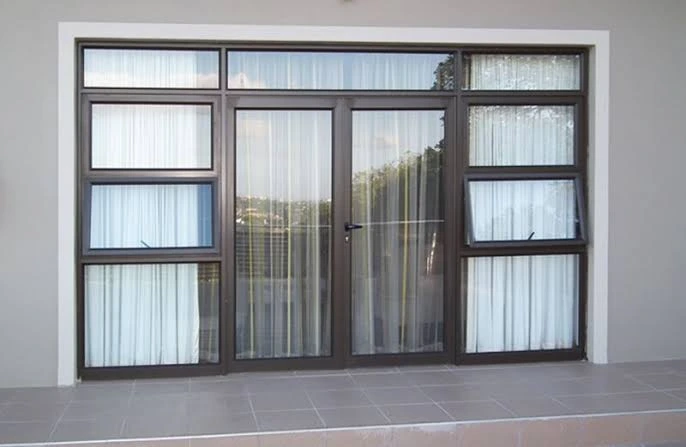
Slim framing can help support large glass surfaces while maintaining a clean appearance. Aluminum can also be used for partitions, doors, shelving, and other architectural elements that rely on precise lines.
This makes the material particularly relevant to contemporary homes.
Rather than using decoration simply for decoration’s sake, modern design often allows the structure itself to become part of the visual language.
Aluminum is well suited to this approach.
Aluminum in Small Spaces
Small rooms require careful material choices.
Large decorative objects, heavy furniture, and visually dense finishes can make a room appear smaller.
Aluminum can help create a lighter visual composition.
For instance, an open aluminum shelving system may provide storage while keeping more of the wall visible. A slim metal-framed mirror can reflect light and add structure without appearing bulky.
A glass-and-aluminum partition can divide an apartment without creating the visual barrier of a solid wall.
These applications demonstrate how material selection can influence the perception of space.
Aluminum and Natural Light
Metallic surfaces interact strongly with light.
Depending on the finish, aluminum can reflect, diffuse, or subtly respond to natural and artificial illumination.
This makes it useful in rooms where lighting is an important part of the design.
A brushed finish can provide gentle variations in brightness, while a polished surface can create stronger reflections.
Decorative aluminum screens can produce shadows when sunlight passes through their patterns.
This interaction between material and light gives aluminum a dynamic quality that can change throughout the day.
Aluminum as a Sustainable Design Consideration
Material sustainability is becoming an increasingly important part of home design.
Aluminum has characteristics that can make it relevant to sustainability discussions, particularly because aluminum can be recycled and reused through established recycling systems.
However, sustainability should not be reduced to one material characteristic.
The environmental impact of an aluminum product can depend on how it was produced, how much energy was used during manufacturing, the source of the material, transportation, product lifespan, finishing processes, and what happens to the product at the end of its useful life.
For homeowners interested in more responsible design, asking manufacturers about recycled content, production practices, durability, and end-of-life options can provide a better understanding of the product’s overall environmental profile.
Aluminum and Interior Longevity
Interior trends change quickly.
A room that looks fashionable today may appear dated several years later.
One way to create a more enduring interior is to use materials that can adapt to changing styles.
Aluminum can do this because its appearance can be relatively neutral.
A simple aluminum frame may work with minimalist décor today and a more eclectic interior later. A basic aluminum shelving system can be restyled with different books, artwork, plants, and accessories.
This adaptability can make aluminum a practical choice for homeowners who do not want to replace major elements whenever their decorating preferences change.
Aluminum Furniture and Long-Term Style
Furniture constructed with aluminum can take many forms.
It can appear delicate and minimalist or substantial and industrial.
An aluminum-framed chair might fit into a modern dining room, while an aluminum-and-wood console can work in a warmer transitional interior.
The key is not the material alone but the design surrounding it.
A well-designed aluminum furniture piece can remain visually relevant because its simple structure does not depend entirely on a short-lived decorative trend.
The Importance of Surface Finishes
Aluminum’s appearance can change significantly depending on its finish.
This is one of the most important factors to consider when using it in home décor.
Brushed Aluminum
Brushed finishes typically emphasize texture and create a more restrained metallic appearance.
They can work well in contemporary kitchens, furniture, lighting, and decorative details.
Polished Aluminum
Polished surfaces have a stronger reflective quality.
They can produce a more dramatic appearance but may also make scratches, fingerprints, or surface imperfections more noticeable.
Matte Finishes
Matte aluminum can create a softer and more understated appearance.
It is often suitable for minimalist and contemporary interiors where excessive reflection is undesirable.
Powder-Coated Finishes
Powder coating can provide a broad range of colors and surface appearances.
This makes it possible to use aluminum without relying on its natural metallic color.
Using Aluminum Without Losing Warmth
A major concern about metal décor is that it can sometimes make a room feel cold.
This is not necessarily a problem with aluminum itself. It is often a question of how the material is combined with other elements.
Warm materials can create balance.
Wood introduces natural texture. Wool and cotton add softness. Leather provides visual richness. Plants contribute organic shapes and color. Stone adds natural variation.
An aluminum-framed glass partition beside a wooden floor can therefore feel much warmer than an interior filled entirely with metal and glass.
Aluminum in Different Interior Styles
One of the most useful characteristics of aluminum is its ability to adapt to different design styles.
Minimalist
Use thin profiles, simple furniture, neutral colors, and restrained finishes.
Industrial
Combine aluminum with darker colors, exposed textures, wood, concrete-inspired finishes, and functional furniture.
Contemporary
Pair aluminum with glass, stone, modern lighting, and geometric forms.
Scandinavian-Inspired
Use light aluminum accents with pale wood, soft textiles, simple shapes, and plenty of natural light.
Transitional
Use aluminum sparingly alongside traditional furniture and natural materials to introduce a modern element.
Eclectic
Use aluminum as a contrasting material among colorful furniture, artwork, patterns, and mixed textures.
This adaptability makes aluminum useful even when a homeowner’s style is difficult to define with a single category.
Common Mistakes When Using Aluminum in Décor
Although aluminum is versatile, poor design choices can reduce its impact.
Using Too Much Metal
An interior with excessive metallic surfaces can feel visually hard.
Balance is important.
Ignoring Texture
If every aluminum element has the same smooth finish, the room may become visually repetitive.
Different textures and materials can provide contrast.
Choosing the Finish Too Late
The finish should be considered as part of the overall color and material palette rather than as an afterthought.
Forgetting the Room’s Lighting
Metallic surfaces can behave differently under natural and artificial lighting.
Samples should ideally be viewed in the actual environment before making major design decisions.
Prioritizing Appearance Over Function
A decorative material still needs to be appropriate for its intended use.
A kitchen, bathroom, living room, and outdoor-facing space can have different performance requirements.
Designing With Aluminum for the Future
Good home décor should not only look attractive when it is installed. It should continue to function and remain visually appealing over time.
Aluminum can contribute to this objective when used thoughtfully.
Its adaptability allows homeowners to change surrounding décor without necessarily replacing the aluminum elements themselves.
A simple aluminum frame can remain while artwork changes. An aluminum shelf can remain while its accessories are updated. An aluminum light fixture can remain while furniture and wall colors evolve.
This flexibility makes aluminum particularly useful for homeowners who prefer interiors that can develop gradually rather than being completely redesigned every few years.
Final Thoughts
Aluminum deserves greater attention as a home décor material because it brings together several qualities that modern interiors increasingly demand.
It can be lightweight without appearing fragile, durable without necessarily looking heavy, modern without being overly decorative, and versatile enough to work with wood, glass, stone, textiles, and other materials.
Its usefulness extends from small details such as handles and frames to larger features such as partitions, furniture, shelving, lighting systems, and decorative wall elements.
The best results come from thoughtful application rather than simply adding metallic objects to a room. Choosing the right finish, balancing aluminum with warmer materials, considering lighting, and selecting products appropriate for their intended environment can transform aluminum from an ordinary construction material into a distinctive part of a home’s design language.
For homeowners seeking a combination of contemporary style and practical performance, aluminum offers a flexible foundation for creating interiors that feel modern, organized, and visually interesting.