
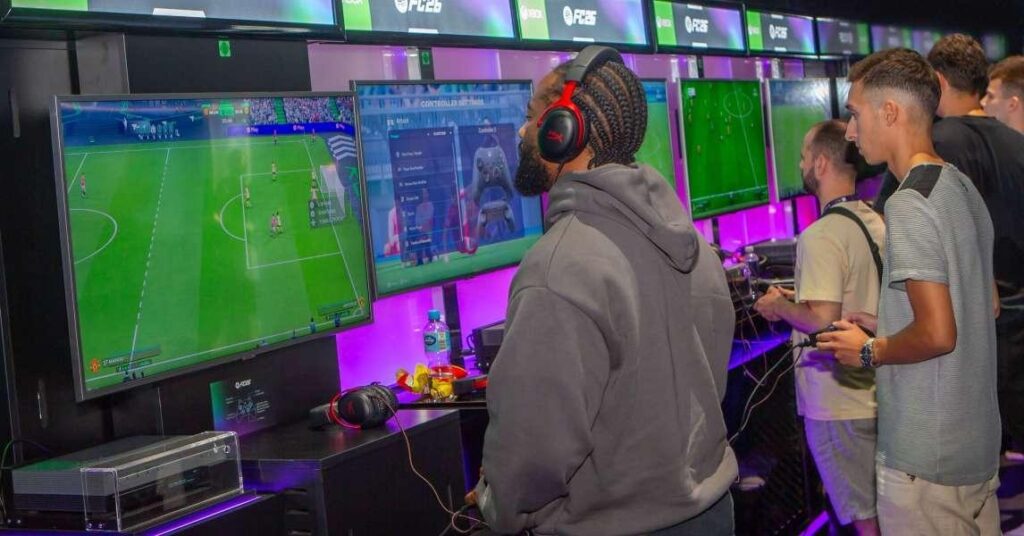
Two of the most dynamic sectors in modern entertainment, sports gaming and online betting have reached a point of cultural convergence that would have seemed unlikely a decade ago. In 2026, audiences, aesthetics, data ecosystems, and commercial partnerships link these two worlds more closely than ever. The rise of online gaming has ushered in a new era of entertainment, transforming how players interact with platforms and how the industry ensures user satisfaction. For those seeking the quickest rewards, the fastest payout online casino NZ offers a seamless experience, making it easier than ever to enjoy gaming sites while staying confident in secure, timely transactions.
Two Industries with a Shared Audience
The overlap between sports gamers and sports bettors is no coincidence. Both communities are defined by deep engagement with sport, its statistics, narratives, teams, and outcomes. A player who spends hours perfecting their squad in EA Sports FC 26 and analysing player ratings exhibits the same analytical habits that characterise a serious sports bettor. The subject matter is the same; the stakes differ.
Research across multiple markets consistently shows that sports bettors are far more likely to be active sports gamers than the general population, and vice versa. Platform operators, game publishers, and betting companies have recognised this overlap. The commercial relationships that followed sponsorships, cross-promotions, and shared data infrastructure have accelerated the cultural convergence between the two industries.
How Betting Culture Shapes Sports Game Design
Betting culture has influenced sports game design in several keyways. The card-pack mechanics in EA Sports FC 26’s Ultimate Team share structural similarities with the variable-reward systems of sports betting; both involve uncertainty, probability, and the anticipation of outcomes. Whether intentional or not, this parallel has become a defining feature of the genre. Prediction and forecasting mechanisms in sports games are increasingly sophisticated.
Some titles allow players to forecast real-world match outcomes before playing a corresponding virtual fixture, blending gaming and spectatorship with the analytical habits of betting. While these features stop short of real-money wagering, they occupy an adjacent space closely watched by regulators in multiple markets.

The Commercial Partnerships Binding Gaming and Betting
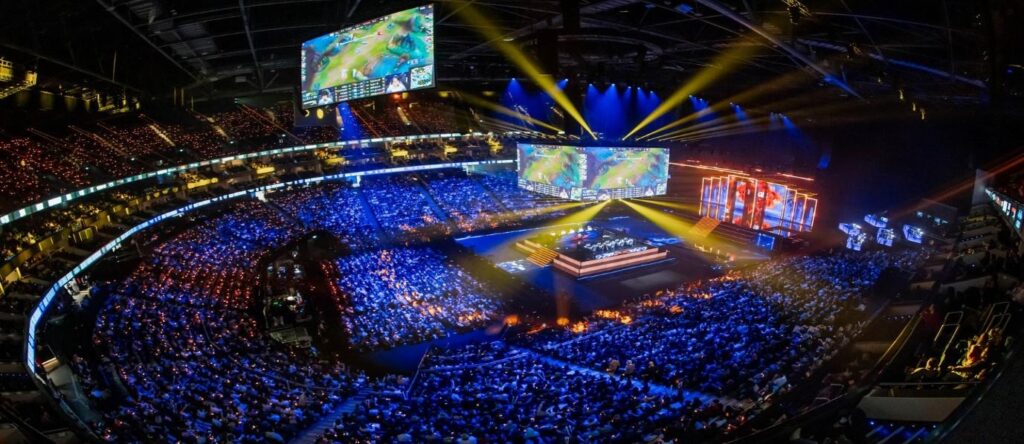
The commercial ties between sports gaming and betting are now structural rather than incidental. Betting operators are among the most prominent sponsors of esports leagues built around sports titles. Their branding appears on team kits in virtual football leagues, broadcast overlays for EA Sports FC Pro events, and advertising placements within free-to-play titles where gambling promotion is permitted.
Sports gaming platforms gain marketing reach and budget support, while betting operators access younger demographics and strong brand associations. Betting operators also use official league data to power player ratings and roster updates in sports games to set odds and settle markets. Data partnerships serve both industries simultaneously. Licensed operators now offer wagering markets on EA Sports FC Pro, NBA 2K League, and Rocket League Championship Series, evolving from novelty offerings into mainstream products with in-play functionality.
Responsibility in the Era of Convergence
The convergence of sports gaming and betting culture brings challenges. Regulators in the UK, Australia, parts of the US, and Europe have raised concerns about the normalisation of betting-adjacent mechanics in sports games, exposure of younger audiences to gambling aesthetics, and gaps in frameworks for hybrid products.
Leading operators recognise that responsible design is not just compliance, it’s a commercial imperative. Users who develop problematic relationships with gaming or betting products are not sustainable long-term customers. Features supporting healthy engagement, transparent communication about costs and risks, and strict age verification are increasingly standard rather than optional.