
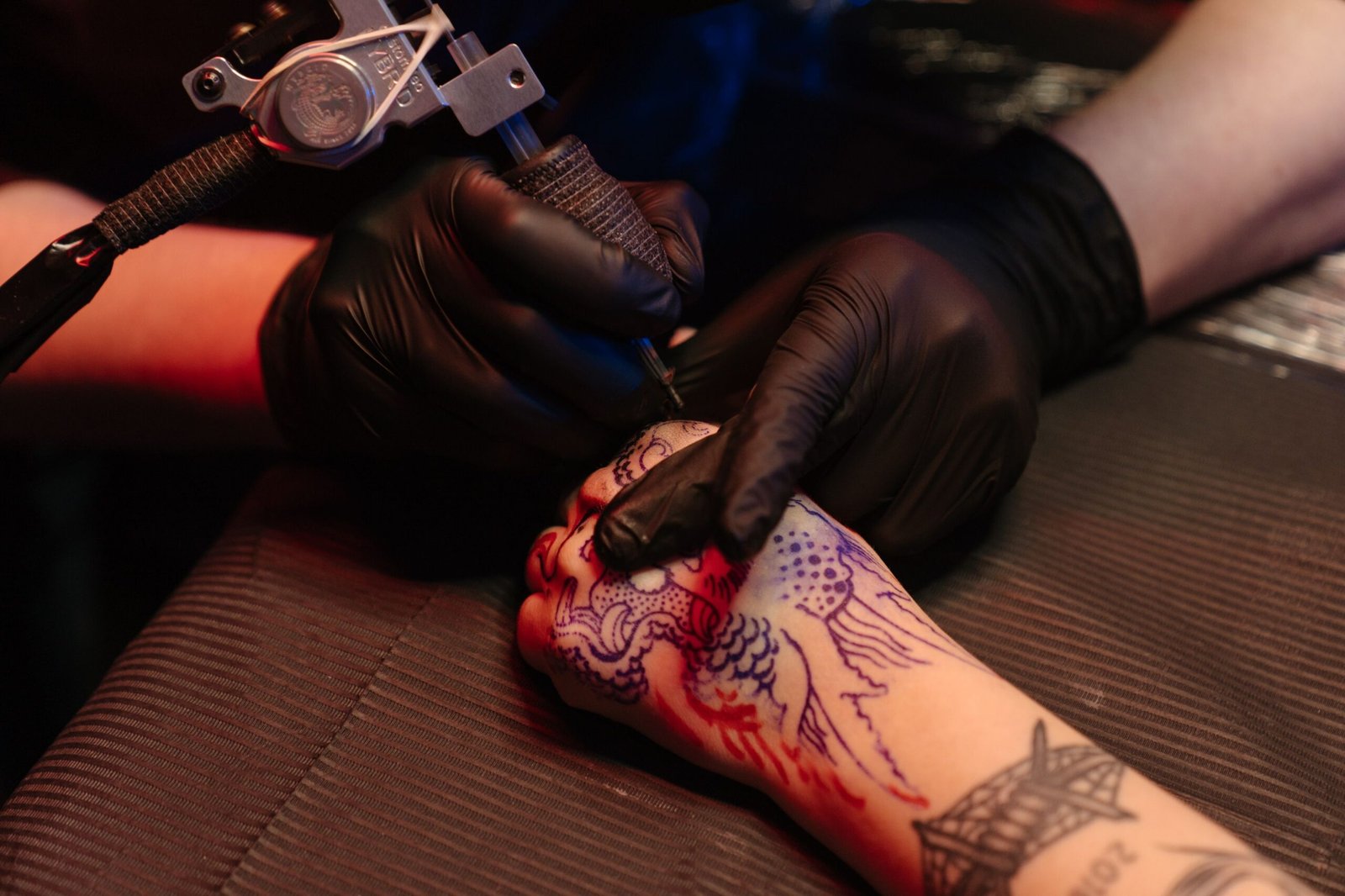
Have you ever wondered what separates an average tattoo artist from one who creates delicate, precise artwork that clients proudly wear for life?
Fine line tattooing has become one of the most sought-after styles in the modern tattoo industry. Characterised by clean, intricate details, minimal shading, and elegant designs, fine line tattoos appeal to clients looking for subtle yet meaningful body art. As demand continues to grow across Australia, more aspiring and established tattoo artists are looking to develop specialised skills through a fine line tattoo course.
Australia’s broader creative sector continues to play an important role in the economy. According to the Australian Government, creative industries contribute billions of dollars to economic activity and employment opportunities nationwide, highlighting the ongoing demand for skilled creative professionals.
For artists wanting to enter this thriving field, enrolling in a professional fine line tattoo course can provide the technical foundation, safety knowledge, and artistic confidence needed to succeed. Whether you are completely new to tattooing or looking to refine your existing techniques, structured training offers a clear pathway towards professional development.
1. Understanding the Art of Fine Line Tattooing
The first step in any fine line tattoo course is understanding what makes this style unique. Unlike traditional tattoos that often feature bold outlines and heavy shading, fine line tattoos rely on precision and subtlety.
Artists learn how to create:
- Delicate floral designs
- Minimalist symbols
- Detailed portraits
- Script and lettering tattoos
- Geometric patterns
- Micro-realism artwork
Because every line is visible, even the smallest mistake can affect the final result. This is why specialised training is essential for mastering the technique.
2. Learning Essential Tattoo Safety Practices
Professional tattooing requires more than artistic ability. Health and safety standards are critical for protecting both artists and clients.
A quality fine line tattoo course covers:
- Infection prevention procedures
- Cross-contamination control
- Equipment sterilisation
- Safe workstation setup
- Skin preparation methods
- Proper aftercare guidance
NSW Health advises that tattoo practitioners should only perform procedures for which they have received appropriate training and possess the necessary skills.
Understanding these requirements helps build a professional reputation while ensuring compliance with industry standards.
3. Developing Precision Through Machine Control
Fine line tattooing demands exceptional machine control. Artists must learn how to maintain consistent pressure, needle depth, and hand movement throughout each tattoo session.
Within a fine line tattoo course, students often practise:
- Needle angle control
- Hand stability techniques
- Stretching the skin correctly
- Maintaining consistent line weight
- Creating smooth, uninterrupted strokes
These skills are essential because fine line work leaves little room for correction once the ink is applied.
4. Choosing the Right Equipment
Equipment selection can significantly influence the quality of fine line tattoos. Artists need to understand how different machines, needles, and inks affect their work.
A professional fine line tattoo course typically explains:
- Rotary versus coil machines
- Needle configurations
- Cartridge systems
- Ink selection
- Power supply settings
- Grip and ergonomics
Learning how to match equipment to specific tattoo styles allows artists to achieve cleaner and more consistent results.
5. Mastering Tattoo Design Fundamentals
Successful fine line tattoo artists know that great tattoos begin long before the needle touches the skin.
Design training often includes:
- Composition principles
- Balance and symmetry
- Scale and proportion
- Client consultation techniques
- Digital design software
- Stencil preparation
A comprehensive fine line tattoo course helps students transform creative ideas into tattoo designs that suit the body’s natural contours and age well over time.
6. Understanding Skin Anatomy and Healing
Every tattoo artist works on a living canvas. Understanding skin structure helps artists create tattoos that heal properly and maintain their appearance.
Students learn about:
- Skin layers
- Different skin types
- Healing stages
- Ink retention
- Scar tissue considerations
- Placement challenges
Knowledge of skin behaviour allows artists to make informed decisions during every tattoo session.
7. Building Client Confidence and Communication Skills
Technical ability alone does not guarantee success. Strong communication skills help artists build trust and establish long-term client relationships.
A professional fine line tattoo course often teaches how to:
- Conduct consultations
- Manage client expectations
- Explain procedures clearly
- Address concerns professionally
- Provide aftercare instructions
- Handle booking enquiries
Clients who feel informed and comfortable are more likely to return and recommend your services to others.
8. Creating a Professional Portfolio
Your portfolio is often the first impression potential clients will have of your work. High-quality images showcasing fine line tattoos can help attract bookings and demonstrate your expertise.
Portfolio development may include:
- Photography techniques
- Lighting fundamentals
- Image editing
- Social media presentation
- Branding strategies
- Portfolio organisation
Many students discover that a fine line tattoo course helps them build a stronger visual identity within the industry.
9. Understanding Career Opportunities
Fine line tattooing can open several career pathways. As tattoo culture becomes increasingly mainstream, artists have more opportunities than ever before.
Potential career options include:
- Working in established studios
- Becoming a freelance artist
- Opening a private studio
- Travelling as a guest artist
- Teaching tattoo techniques
- Building a personal brand online
Industry data from Jobs and Skills Australia identifies body artists as professionals who use specialised techniques to modify and decorate the body, highlighting the growing recognition of tattooing as a skilled profession.
Completing a recognised fine line tattoo course can provide a competitive advantage when pursuing these opportunities.
10. Continuing Education for Long-Term Success
Tattooing continues to evolve as new techniques, equipment, and artistic trends emerge. Successful artists commit to ongoing learning throughout their careers.
Ways to continue developing include:
- Advanced workshops
- Industry conventions
- Online tutorials
- Mentorship programs
- Artist collaborations
- Specialised certifications
Continuous education helps artists remain relevant and competitive in a rapidly changing industry.
Recommended YouTube Resource
For additional learning, watch this fine line tattoo tutorial:
https://www.youtube.com/watch?v=INPOcvRRjA8
This video provides practical insights into fine line tattoo techniques and can complement the knowledge gained through formal training.
Why Investing in a Fine Line Tattoo Course Matters
The growing popularity of minimalist and detailed tattoo designs has created strong demand for artists who specialise in fine line work. However, achieving clean, consistent results requires far more than natural artistic talent.
A professional fine line tattoo course provides structured education in safety, technique, design, equipment selection, and client management. Rather than relying solely on trial and error, students gain practical knowledge from experienced professionals who understand the challenges of modern tattooing.
Whether your goal is to start a new career, expand your existing skill set, or develop a distinctive artistic style, a fine line tattoo course can help accelerate your progress while building confidence in your abilities.
As the Australian creative sector continues to support thousands of skilled professionals and contribute significantly to the economy, opportunities for trained artists remain promising.
Could enrolling in a fine line tattoo course be the step that transforms your passion for art into a rewarding professional career?