
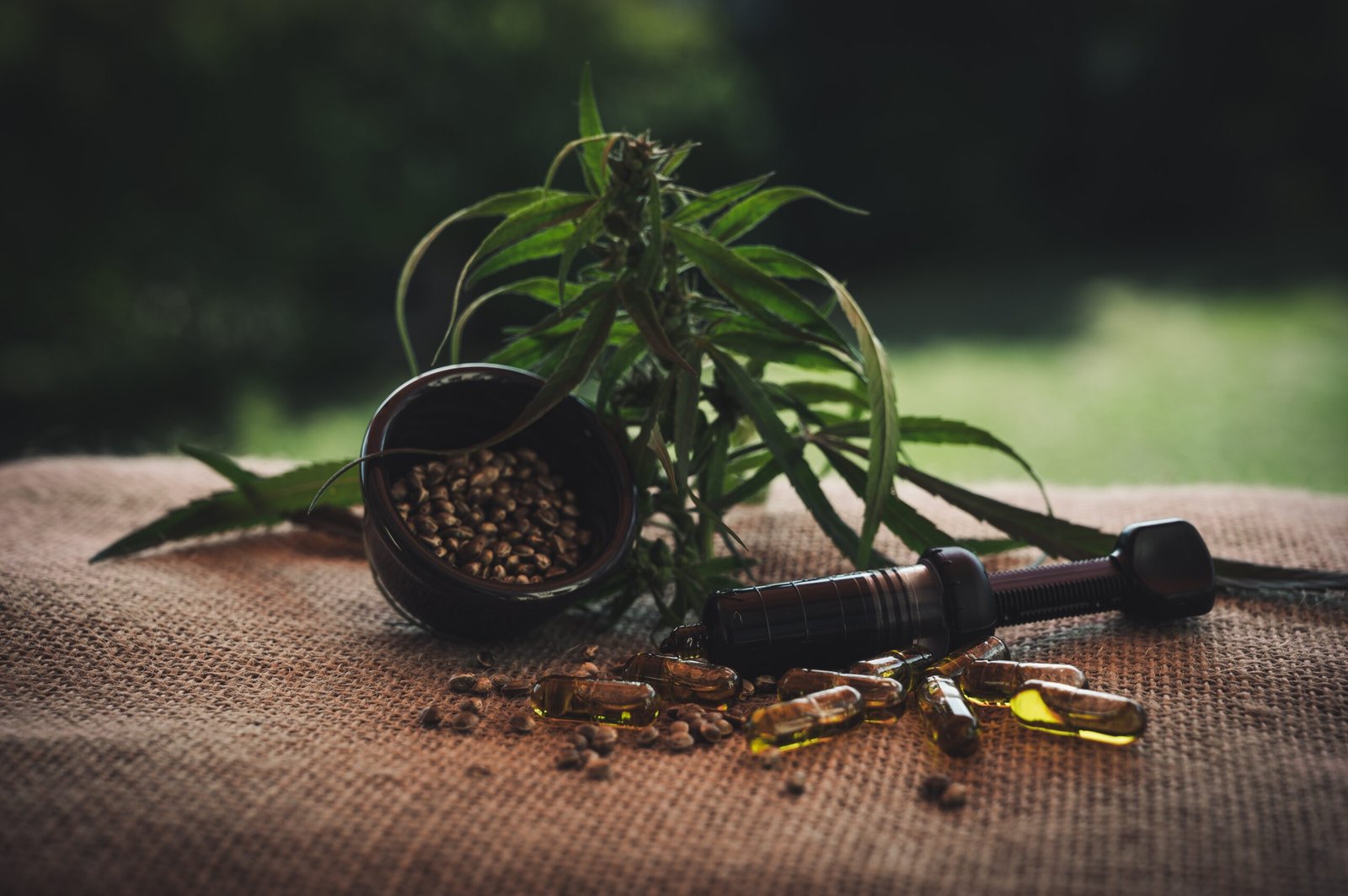
In recent years, medical marijuana has moved from the fringes of alternative health into a more mainstream role. As legalization expands and research continues, more people are beginning to explore cannabis as part of their wellness routines. This shift raises an important question: is medical marijuana actually replacing traditional wellness products, or simply complementing them?
The Rise of Cannabis in Wellness Culture
Wellness trends have always evolved with changing consumer preferences. From herbal supplements to essential oils and plant-based remedies, people are constantly looking for natural ways to support their health. Medical marijuana fits neatly into this landscape, offering a plant-based option that addresses a wide range of concerns, including pain, anxiety, sleep issues, and inflammation.
What sets cannabis apart is its interaction with the body’s endocannabinoid system, which plays a role in regulating mood, appetite, and overall balance. This biological connection gives it a unique position compared to many traditional wellness products.
Why Some People Are Making the Switch
For certain individuals, medical marijuana has become a preferred alternative to over-the-counter supplements or even prescription medications. One reason is effectiveness. Some users report more noticeable or faster results compared to products like herbal teas or standard sleep aids.
Another factor is simplicity. Instead of juggling multiple supplements for different concerns, cannabis can offer a more comprehensive approach. A single product may address both physical discomfort and mental stress, which appeals to those looking to streamline their routines.
Accessibility has also improved significantly. In states with established programs, patients can now obtain a Florida medical marijuanas card online, making it easier than ever to explore cannabis as a wellness option without navigating complicated in-person systems.
Where Traditional Products Still Hold Strong
Despite its growing popularity, medical marijuana hasn’t completely replaced traditional wellness products—and likely won’t anytime soon. Many people still rely on vitamins, minerals, and herbal supplements for daily health maintenance. These products often serve a different purpose, focusing on long-term nutritional support rather than immediate symptom relief.
There’s also the matter of personal preference. Not everyone is comfortable using cannabis, whether due to legal concerns, potential side effects, or simply individual choice. For these individuals, traditional wellness options remain the go-to solution.
A Complementary Approach
Rather than a full replacement, a more accurate way to view medical marijuana is as part of a broader wellness toolkit. Many people combine cannabis with other practices such as exercise, balanced nutrition, and mindfulness techniques. This integrated approach allows them to address both immediate symptoms and long-term health goals.
For example, someone might use cannabis to manage evening stress while still relying on supplements like magnesium or omega-3s for overall health. In this way, cannabis enhances rather than replaces existing routines.
The Role of Personalization
One of the key trends in modern wellness is personalization. People are moving away from one-size-fits-all solutions and toward approaches tailored to their specific needs. Medical marijuana fits well within this trend, as different strains, dosages, and consumption methods can be adjusted based on individual responses.
At the same time, traditional wellness products are also evolving, with more targeted formulations and specialized uses. This means the two categories are not necessarily competing—they’re both adapting to meet more personalized demands.
Safety and Guidance Matter
As with any wellness product, responsible use is essential. Medical marijuana should ideally be used under the guidance of a qualified professional, especially for individuals with existing health conditions or those taking other medications. The same applies to supplements, which can also have interactions or side effects if used improperly.
Understanding how different products work together—or don’t—is key to building a safe and effective wellness routine.
Final Thoughts
Medical marijuana is undoubtedly reshaping the wellness landscape, offering new possibilities for those seeking natural ways to manage their health. However, it’s not so much replacing traditional wellness products as it is expanding the range of options available. For most people, the future of wellness will likely involve a combination of approaches, blending cannabis with established practices to create a balanced, personalized routine.