
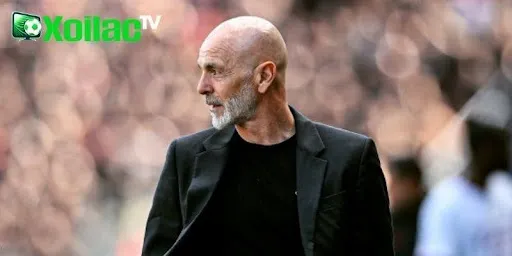
Stefano Pioli remains a pivotal figure at AC Milan as the 2026 season unfolds with intensity. With calculated tactics and steady results, his leadership continues to attract widespread attention. Let’s explore his background, key achievements, and current position among Europe’s elite football coaches.
Watch AC Milan matches and Serie A action live now on Xoilac
Stefano Pioli’s rise from the pitch to the sidelines
Stefano Pioli’s career has evolved steadily, transitioning from a solid playing career to a respected coaching presence. His style reflects adaptability, discipline, and a clear understanding of modern football dynamics.
Early career and playing days
Born in Parma, Pioli played as a defender in Italy’s top leagues during the 1980s and early 1990s. He made over 150 Serie A appearances, primarily with Parma, Fiorentina, and Verona clubs. Known for his sharp positional sense, he transitioned naturally into coaching after retirement from playing.
His time as a professional player deeply influenced his coaching outlook and daily tactical planning. He often credits former mentors for shaping his defensive-minded philosophy and overall discipline. That mindset remains clearly visible in the compact systems his teams frequently employ today.
First steps into management
Pioli’s early managerial career included several roles in Serie B, where he developed a reputation for rebuilding underperforming squads with limited resources. He later took charge of Bologna and Lazio in Serie A, gradually earning national recognition for his work. His ability to stabilize squads led to consistent mid-table finishes over multiple seasons.
Between 2010 and 2015, he oversaw nearly 180 top-flight matches, refining his preferred formations and in-game adjustments. His squads were consistently known for discipline, shape, and strong defensive organization. These developmental years helped establish him as a trusted figure in Italian football.
Arrival and rise at AC Milan
Appointed in late 2019, Pioli initially faced doubts from fans and media due to the club’s inconsistency. However, he gradually built trust through structured systems, squad unity, and steadily improved performances each month. By 2022, Milan had claimed a long-awaited Scudetto under his determined and measured guidance.
In January 2026, he remains in charge, with Milan currently sitting 3rd in Serie A after 20 competitive league games. The team has secured 13 wins, scoring 35 goals and conceding 18 across all matches so far. His tactical methods continue to evolve, adjusting fluidly to both new signings and emerging youth talents.
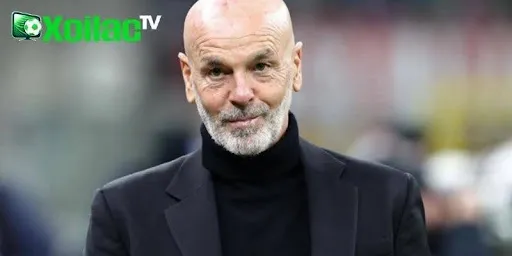
Stefano Pioli’s transition from playing field to coaching role
Stefano Pioli’s success story with AC Milan
Since taking over at Milan, Pioli has overseen a cultural and tactical transformation. His tenure has featured key milestones that redefined expectations at the club.
The Scudetto and beyond
The 2021–22 league title marked Milan’s first domestic crown in over a decade. Pioli was praised for reviving the squad with limited transfer activity. His emphasis on team cohesion and pressing football played a central role.
Milan finished that season with 26 wins and just 4 losses, exceeding projections. Their goal difference ranked second in the league, proving both attack and defense were efficient. This title win restored belief among fans and re-established Milan as contenders.
European consistency under Pioli
Under Stefano Pioli, Milan qualified for the UEFA Champions League in four consecutive seasons. In the 2023–24 campaign, they reached the quarterfinals, drawing praise for their composure. His tactical choices often surprised opponents, especially in knockout stages.
During those years, Milan averaged 1.7 goals per match in Europe. Clean sheets became more frequent, particularly when playing away. Pioli’s rotation policies allowed players to remain fresh across all competitions.
Developing a reliable Milan identity
Stefano Pioli instilled a structured identity at Milan, blending veteran leadership with emerging stars. His tactical blueprint relies on fluid transitions, double pivots, and wide overloads. Players like Leão, Tonali, and Kalulu have flourished under his system.
Milan’s 2026 squad reflects a well-built blend of pace and balance. Their passing success rate and possession stats rank in the league’s top five. Pioli’s continued focus on positional intelligence has kept the system effective despite injuries.
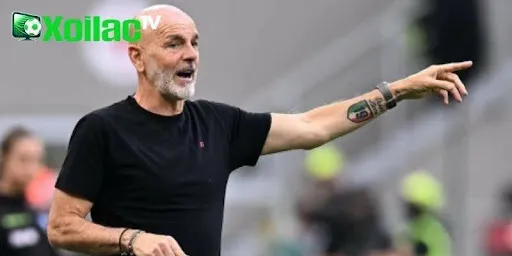
Key achievements defining Pioli’s era at AC Milan
Comparing Stefano Pioli with Serie A’s elite managers
In the current Serie A landscape, Stefano Pioli stands among tactically sharp, experienced coaches. His methodology contrasts with some while aligning with others in key areas.
Tactical identity versus Allegri and Inzaghi
Massimiliano Allegri prefers pragmatic, risk-averse football that focuses heavily on defensive solidity and structured buildup. Simone Inzaghi employs a more dynamic 3-5-2 system relying on wingbacks to create width and overloads. In contrast, Pioli mixes structure with proactive pressing, vertical movement, and possession-based sequences across the pitch.
While Allegri’s Juventus has conceded fewer goals this season, Pioli’s Milan has scored more consistently in open play. Inzaghi’s Inter dominates in midfield duels and ball recoveries, but Pioli adapts well during transitions and counter-pressing phases. Each manager reflects different philosophies rooted in Italian tactical tradition and match control principles.
Player development differences
Stefano Pioli is widely noted for promoting young players into high-pressure matches without hesitation or excessive caution. Allegri tends to lean on experienced squads with veteran depth, while Inzaghi often rotates within a consistent core group. Milan’s academy graduates have earned over 1,200 minutes of Serie A action this season under Pioli’s management.
This proactive development approach gives Milan added flexibility during congested fixture periods and injury spells. Pioli also incorporates youth players in Champions League matches, showing trust in their readiness and long-term value. His commitment to nurturing young talents aligns well with the club’s evolving recruitment and investment strategy.
Mentality and team resilience
One consistent theme across Pioli’s Milan tenure is their resilience and discipline in difficult match scenarios. The team has recovered valuable points from losing positions in six different games this season alone. This trait has become a defining hallmark of their mental growth and group cohesion.
Compared to Allegri and Inzaghi, Pioli’s squads display noticeably more collective spirit and late-match belief. His calm demeanor in press conferences also reflects internal balance and dressing room harmony. In high-pressure environments, Milan under Pioli rarely appears rattled or disorganized under tactical stress.
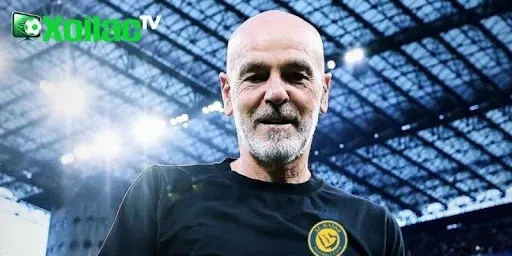
How Stefano Pioli measures against top Serie A coaches
You can xem bong da truc tiep in HD quality today at Xoilac
Conclusion
Stefano Pioli has led AC Milan into 2026 with a clear vision, strong tactical structure, and undeniable influence on player development. His journey reflects both experience and adaptability in one of Europe’s most competitive leagues. Follow his next moves as Milan pushes forward with confidence and identity.