
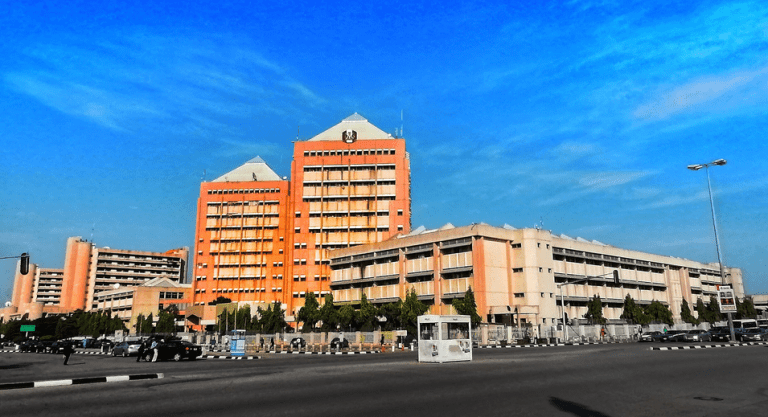
Every nation needs a central hub where its most crucial decisions and administrative activities take place. In Nigeria, that hub is the Federal Secretariat Abuja. This complex serves as the operational nerve center for the federal government, housing ministries, agencies, and departments that drive the nation’s policies and development.
Located in the heart of the Federal Capital Territory (FCT), this secretariat is not just an architectural landmark but also a symbol of unity and national coordination. For decades, it has been the workplace of thousands of civil servants and government officials, forming the backbone of the country’s bureaucratic structure.
This comprehensive guide explores the Federal Secretariat Abuja in depth its history, layout, significance, operations, and the challenges it faces today.
The History and Establishment of the Federal Secretariat Abuja
Origins of a New Administrative Capital
The decision to relocate Nigeria’s capital from Lagos to Abuja in the late 1970s was driven by the need for a more central, neutral, and accessible location. With this transition came the requirement for a modern administrative headquarters, the Federal Secretariat Abuja.
Construction began in the early 1980s under the supervision of the Federal Capital Development Authority (FCDA). The design was aimed at reflecting efficiency, accessibility, and a sense of national identity. The complex was strategically placed near Aso Rock, the Presidential Villa, and the National Assembly, ensuring proximity to all arms of government.
Evolution and Expansion
Since its inception, the Federal Secretariat Abuja has undergone multiple phases of expansion to accommodate the growing number of ministries and parastatals. New blocks have been added, and old structures refurbished, aligning with Nigeria’s evolving administrative needs.
The site represents not just a collection of buildings but a living system that adapts to the demands of modern governance.
Architectural Design and Layout
Structural Overview
The Federal Secretariat Abuja consists of several high-rise blocks spread across an expansive area. Each block is dedicated to specific ministries and agencies. The buildings are interconnected by roads, walkways, and open spaces designed for efficiency and ease of movement.
The design reflects modernist architecture, simple, functional, and robust. Its concrete facades, large windows, and spacious interiors were designed to maximize ventilation and daylight, a necessity for Nigeria’s tropical climate.
Accessibility and Facilities
The secretariat is located along Shehu Shagari Way, close to major landmarks such as the Central Bank of Nigeria and the Ministry of Foreign Affairs. Facilities include large parking spaces, conference halls, cafeterias, and public service counters.
Security is tight, with multiple checkpoints, surveillance systems, and controlled access points to protect sensitive government information and personnel.
Role and Importance in Nigeria’s Governance
The Federal Secretariat Abuja serves as the nucleus of the federal civil service. Its importance cannot be overstated, as it accommodates the machinery that keeps the nation’s administrative and policy systems functional.
Home to Key Ministries
Among the ministries and departments housed here are:
- Ministry of Education
- Ministry of Health
- Ministry of Labour and Employment
- Ministry of Interior
- Ministry of Environment
- Ministry of Power
Each ministry plays a unique role in driving Nigeria’s national agenda, and the Federal Secretariat Abuja provides the environment for inter-ministerial collaboration and coordination.
A Symbol of Federal Unity
Beyond functionality, the secretariat embodies Nigeria’s federal character. Civil servants and officials from every region of the country work together here, representing the nation’s diversity and shared governance ethos.
Administrative Functions and Daily Operations
The Heartbeat of the Civil Service
Every weekday, thousands of employees stream into the Federal Secretariat Abuja. The complex comes alive with administrative activities, meetings, policy drafting, correspondence, and inter-ministerial coordination.
From policy implementation to document verification and budget planning, this is where much of Nigeria’s governance takes form.
Coordination Between Ministries
The structure of the secretariat promotes interconnectivity. Ministries often collaborate on cross-cutting issues such as education reform, health policy, and environmental sustainability.
This interconnectedness ensures smoother communication and faster decision-making, a crucial aspect of a developing nation’s bureaucracy.
Infrastructure and Maintenance Challenges
Aging Facilities
While the Federal Secretariat Abuja stands as an impressive symbol of governance, its infrastructure has faced challenges over the years. Many blocks were built decades ago and now require extensive renovation.
Frequent reports of faulty elevators, leaky roofs, and inadequate waste disposal systems have raised concerns about maintenance culture within the public sector.
Power and Sanitation Issues
Irregular power supply has been another challenge, affecting productivity and operations. Efforts to introduce alternative energy sources, such as solar panels, have been initiated in some sections, but widespread implementation remains pending.
Sanitation and waste management are also areas needing improvement, as the high human traffic demands constant maintenance and cleanliness.
Modernization and Redevelopment Efforts
Digital Transformation
In recent years, the Nigerian government has taken steps toward e-governance, aiming to digitize many administrative processes conducted within the Federal Secretariat Abuja. This shift reduces paperwork, enhances transparency, and improves efficiency.
Online platforms for document submission, payroll systems, and inter-ministerial communication are gradually becoming the norm, marking a new era in civil service operations.
Ongoing Renovations
Plans are underway to upgrade older buildings with modern facilities, improved air conditioning, digital connectivity, and eco-friendly systems. Some ministries have already relocated temporarily to allow for comprehensive refurbishment of their office spaces.
These upgrades are expected to transform the Federal Secretariat Abuja into a smart administrative center aligned with 21st-century standards.
Economic and Social Impact
Boosting Local Economy
The presence of the Federal Secretariat Abuja significantly boosts the economy of the surrounding area. Vendors, transport operators, restaurants, and service providers depend heavily on the daily influx of government workers.
From small roadside food stalls to corporate service providers, the complex sustains thousands of indirect jobs.
Urban Development Influence
The secretariat’s establishment spurred massive infrastructural development within Abuja’s Central Business District (CBD). Roads, hotels, and public transport systems were developed to support the needs of government workers and visiting officials.
Security and Safety Measures
Given its national significance, security at the Federal Secretariat Abuja is robust. The complex is guarded by officers from various agencies, including the Nigeria Police Force, Department of State Services (DSS), and private security firms.
Access control systems, surveillance cameras, and security checkpoints ensure both personnel and document safety. Emergency response protocols are also in place to manage incidents ranging from fire outbreaks to public disturbances.
Public Access and Regulations
Though primarily restricted to government staff, the Federal Secretariat Abuja does permit access to citizens and visitors for official purposes. Entry typically requires valid identification and authorization.
Certain ministries have public service desks for processing permits, certifications, and inquiries. However, strict compliance with security procedures is mandatory.
The Secretariat’s Role in National Development
Policy Implementation Center
Policies formulated at the executive and legislative levels come to life through the secretariat’s various ministries. Whether it’s economic planning, education reform, or infrastructure development, the secretariat is where execution begins.
Human Capital and Civil Service Development
The complex is also a training ground for Nigeria’s civil servants. Regular workshops, seminars, and professional development programs are conducted within its halls to enhance public service delivery.
Future Prospects and Vision
Towards a Smart Government Hub
The vision for the Federal Secretariat Abuja is to become a fully digitalized, environmentally sustainable administrative center. With the government’s growing focus on digital governance and green policies, modernization is inevitable.
Integration of Sustainable Practices
Plans to introduce energy-efficient lighting, recycling programs, and paperless offices are part of the broader sustainability goals tied to Nigeria’s Vision 2050 development strategy.
Case Study: Ministry of Health Operations within the Secretariat
The Ministry of Health’s operations at the Federal Secretariat Abuja provide a clear example of how national policies are implemented.
From managing public health initiatives to coordinating disease control programs, the ministry relies heavily on inter-departmental collaboration. During the COVID-19 pandemic, the secretariat served as the central command post for information dissemination, logistics coordination, and policy communication.
This example underscores the vital importance of the secretariat as the operational backbone of governance.
Frequently Asked Questions (FAQs)
1. Where is the Federal Secretariat Abuja located?
It is situated in the Central Business District along Shehu Shagari Way, close to major landmarks like Aso Rock and the National Assembly.
2. What ministries are housed in the Federal Secretariat Abuja?
It accommodates key ministries such as Education, Health, Power, Interior, and Environment, among others.
3. Is the Federal Secretariat Abuja open to the public?
Yes, but only for official purposes. Visitors must comply with security protocols and present valid identification.
4. When was the Federal Secretariat Abuja established?
Construction began in the 1980s following the relocation of Nigeria’s capital from Lagos to Abuja.
5. What are the major challenges facing the Federal Secretariat Abuja?
Aging infrastructure, irregular power supply, and inadequate maintenance are among the key challenges.
6. Are there redevelopment plans for the Federal Secretariat Abuja?
Yes. Ongoing modernization projects include renovation of old blocks, digital transformation, and sustainable infrastructure upgrades.
7. Why is the Federal Secretariat Abuja important to Nigeria’s governance?
It serves as the administrative core where federal ministries and agencies operate, driving national policy execution and coordination.
Conclusion
The Federal Secretariat Abuja stands as the administrative heart of Nigeria, a place where the vision, strategy, and policies of the nation take tangible form. Despite infrastructural challenges, its role in uniting ministries, driving public service, and ensuring government continuity remains indispensable.
With modernization and digital transformation on the horizon, the future of the Federal Secretariat Abuja looks promising. It will continue to evolve as a dynamic space where governance meets innovation.