
Key Takeaways
- Butler Beach sellers should prepare for questions about flood exposure, wind damage, insurance, maintenance, and rental use.
- A well-organized property file can make inspections, negotiations, and closing easier to manage.
- Safety and water-intrusion repairs usually take priority over optional cosmetic upgrades.
- Price, presentation, and complete disclosures matter when buyers compare coastal homes with different risks and features.
- Sellers should compare listing, private sale, cash offer, and hold strategies before committing to one path.
Selling near the Atlantic shoreline involves more than putting a price on a home and scheduling photos. Butler Beach, Florida, buyers often look closely at a property’s condition, storm-readiness features, outdoor living areas, and ownership costs. Owners who need flexibility may also explore how to sell house as is in Butler Beach, FL, particularly when repairs, inherited-property responsibilities, or a tight timeline make a full listing preparation plan impractical.
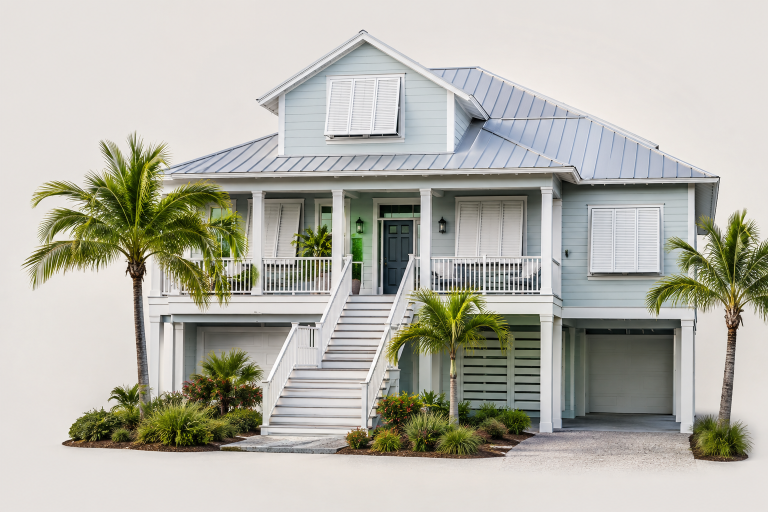
Whether the home is a beach cottage, condominium, townhome, elevated residence, or rental property, preparation can reduce surprises. The goal is not to make every older coastal home look brand new. It is to present its condition accurately, address meaningful concerns, and give prospective buyers enough information to make a confident decision.
Start With a Local Market Snapshot
National headlines rarely tell the whole story for Butler Beach. Homes can differ substantially based on walkability to the beach, view corridors, lot size, flood-zone designation, elevation, parking, age, condition, and rental restrictions. Compare recent closed sales with active listings, but avoid assuming that the highest nearby asking price reflects the likely value of your property.
Online estimates can be useful starting points, but they may not account for a newer roof, a deferred-maintenance issue, an ocean view, condominium rules, or an unusual lot. A local real estate professional can help identify more comparable properties and explain why a buyer may value one coastal location differently from another.
Some owners prefer a traditional listing, while others want to sell my house fast without preparing for repeated showings or making broad cosmetic changes. Comparing the estimated sale price, repair costs, commissions, carrying costs, and expected timeline can help clarify which option fits the situation.
Review Beach-Specific Risks Before Listing
Coastal homes should be evaluated with practical buyer questions in mind. Review the roof, windows, exterior doors, decks, railings, screens, drainage areas, HVAC equipment, electrical panel, plumbing, and visible signs of moisture. If the home has storm panels, shutters, a generator, or elevated mechanical equipment, verify that those features are functional and easy to explain.
Flood information deserves early attention. Sellers can use the FEMA Flood Map Service Center to locate map information by address, then gather any relevant elevation certificates, flood insurance records, prior claims information, and repair documentation. Flood risk does not automatically prevent a sale, but incomplete answers can create buyer hesitation.
Be straightforward about known water intrusion, roof leaks, storm damage, erosion concerns, mold remediation, insurance claims, or repairs that were completed after severe weather. A seller should not guess about matters they do not know, but known material conditions should be discussed with a qualified Florida real estate professional before marketing begins.
Build a Complete Seller Document Folder
Create both digital and paper copies of the documents a buyer, inspector, lender, or title company may request. This simple step can prevent an avoidable delay later in the transaction.
- Recent tax bills, mortgage payoff details, survey, and legal property documents.
- Insurance declarations pages, flood-policy information, and wind-mitigation records.
- Permits and receipts for roofs, additions, electrical work, plumbing, pools, decks, or major renovations.
- Homeowners association or condominium documents, budgets, rules, and rental policies.
- Utility averages, transferable warranties, service contracts, and rental agreements or booking history.
Choose Repairs That Support the Sale
Separate necessary repairs from optional upgrades. Active leaks, unsafe wiring, broken plumbing, loose railings, damaged flooring, and structural concerns usually deserve priority because they can affect safety, inspections, financing, and buyer confidence. Keep invoices, warranty papers, and before-and-after photos when available.
Lower-cost improvements can also improve first impressions. Deep cleaning, fresh neutral paint, pressure washing, trimmed landscaping, repaired screens, updated exterior lighting, and a tidy porch or balcony can make a coastal home feel better maintained. Before spending heavily on luxury finishes, compare the projected cost with the likely benefit for similar Butler Beach properties.
Make the Home Easier to Insure and Inspect
Buyers may need information for their lender and insurance agent before closing. Test smoke detectors, carbon monoxide detectors where appropriate, storm shutters, drainage pumps, and exterior lighting. Clear gutters, remove loose yard items, and correct visible moisture issues when possible. Florida’s consumer guidance notes that standard homeowners insurance generally does not cover flood damage, which makes accurate insurance conversations especially important for coastal transactions.
Price and Market the Property Clearly
When setting the asking price for a home, consider its actual advantages and limitations. Be specific about features such as beach access, views, waterfront status, parking, storage, association restrictions, rental use, and repair history. It’s important to differentiate between a view of the ocean, direct beach access, and ownership of waterfront land, as these are distinct features.
Use high-quality photographs taken in natural light, and make sure to include practical spaces like outdoor showers, storage areas, balconies, porches, parking, and storm features. If showings are limited during the first few weeks, instead of waiting for the market to respond, reassess the price, photos, condition, and listing description.
Compare Selling Options and Protect Yourself
- Traditional listing: Offers broad exposure but may require preparation, showings, negotiations, and a longer timeline.
- For-sale-by-owner: Provides direct control but requires the owner to manage pricing, marketing, buyer screening, paperwork, and negotiations.
- Private cash offer: May reduce preparation and shorten the process, but should be compared with market value, repair costs, and expected selling expenses.
- Rental or hold strategy: May create income, but also involves maintenance, insurance, management, and rule-compliance responsibilities.
Before accepting an offer, verify financing or proof of funds, review inspection and repair deadlines, confirm the proposed closing date, and understand who pays each listed cost.
A Simple 30-Day Butler Beach Preparation Plan
- Days 1 through 5: Gather records, insurance files, loan information, permits, and repair receipts.
- Days 6 through 10: Review flood, storm, maintenance, and safety concerns.
- Days 11 through 15: Obtain repair estimates and choose projects with a practical benefit.
- Days 16 through 20: Clean, declutter, improve curb appeal, and prepare outdoor spaces.
- Days 21 through 30: Compare selling paths, prepare disclosures, set a pricing plan, and review offers carefully.
Final Thoughts
A successful sale in Butler Beach starts with maintaining accurate records, setting realistic prices, ensuring clear communication, and being mindful of coastal conditions. By focusing on essential repairs, organizing necessary documents, and exploring different selling methods, homeowners can make informed decisions about how to proceed with their sale.