
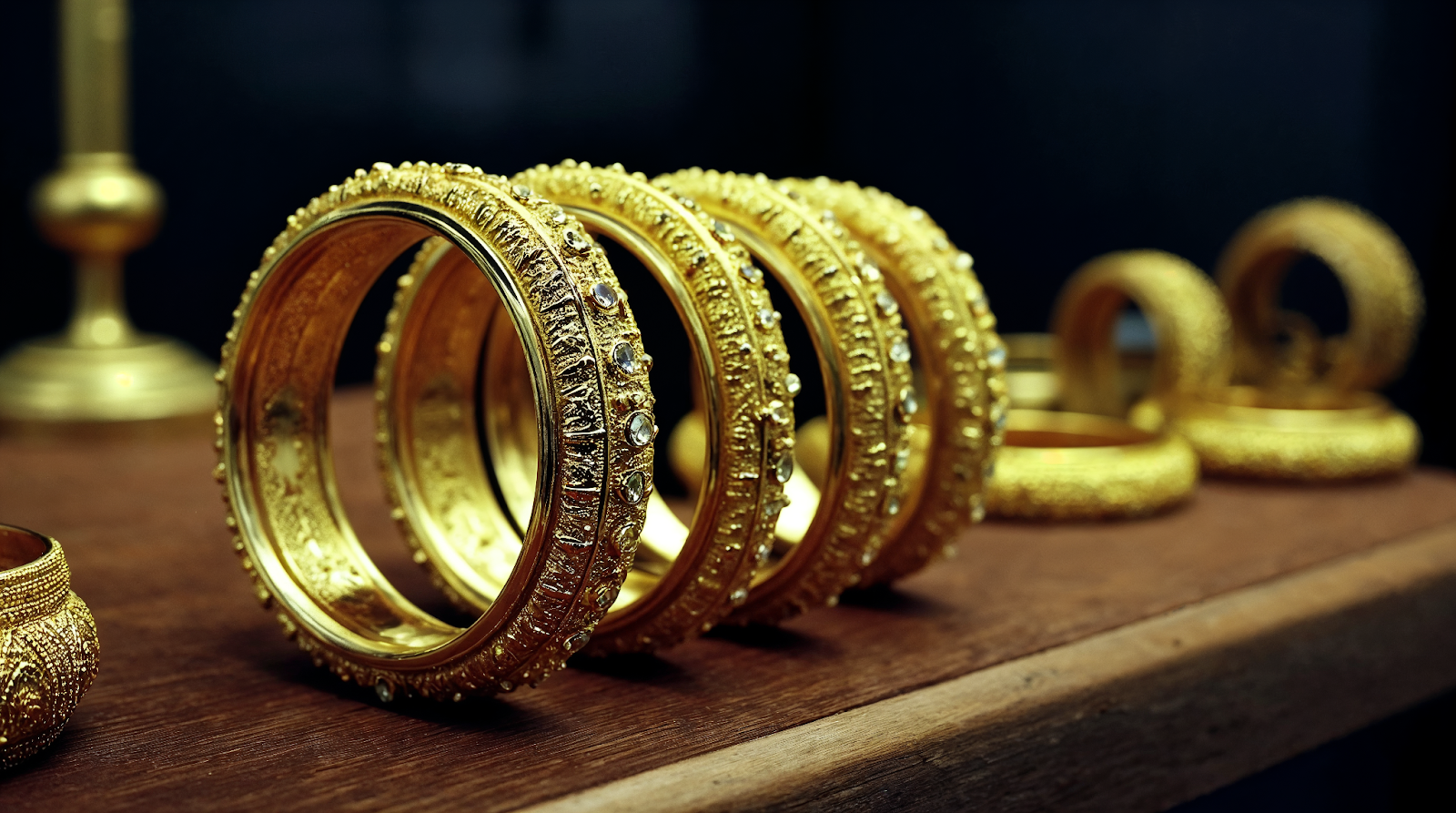
Hallmarked gold helps you buy with trust. It tells you the purity is tested. It also helps during resale and exchange. Many buyers skip these checks because they look small. Later, they regret it. A few marks on gold can protect a big spend.
In India, BIS hallmarking is the main purity system for gold. It sets standards and adds trace links to the maker. When you learn the marks, you shop calmly. You also avoid fake stamps and wrong purity claims. This guide explains BIS hallmarking in simple words, with clear steps you can use. It is shared by Nemichand Bamalwa & Sons (J) for buyers who want clean, honest purchases.
What Hallmark Means
Hallmarking means your gold is tested for purity by an approved system. The piece carries a set of marks that show key details. These marks are not decoration. They are the identity of your gold. They help you verify what you paid for.
In India, BIS is the Bureau of Indian Standards. BIS runs the hallmark scheme. BIS approves hallmarking centres and sets rules for testing. Once tested, the jewellery gets the BIS hallmark. This tells you the gold meets the stated purity.
Hallmarking is not the same as a shop stamp. A shop stamp can be printed by anyone. A BIS hallmark is tied to a tested process. That is why buyers should look for BIS marks, not only brand names.
Why BIS Hallmarking Matters for Jewellery Buyers
Gold is bought for beauty and value. Purity affects both. Lower purity can look dull over time. It can also affect the resale value. BIS hallmarking protects you from guessing. It gives a standard claim you can check.
Hallmarking also helps in fair exchange. When you return to a store, the marks speed up checks. They reduce disputes. They keep records clear. Many buyers also insure jewellery now. Hallmarked pieces are easier to insure because purity is stated and tested.
If you buy wedding gold, hallmarking is even more important. Bridal sets are of high value. They are kept for years. They may be passed down. A BIS mark protects future family members, too. This is why Nemichand Bamalwa & Sons (J) asks buyers to check hallmark details before billing.
Common Gold Purity Standards in India
Gold purity is often shown in karats and fineness. Karat is the “K” number, like 22K. Fineness is the number out of 1000, like 916. Both describe the same idea: how much pure gold is present.
Here are common standards you will see:
- 24K is pure gold, often in coins and bars.
- 22K is common for traditional jewellery. It is also called 916.
- 18K is used for diamond jewellery and daily wear pieces. It is also called 750.
- 14K is used for strong, light daily wear. It is also called 585.
More gold content gives a richer yellow colour. More alloy gives more strength. Both can be hallmarked when they follow BIS rules.
What a BIS hallmark looks like on jewellery
Most jewellery has hallmark marks on a flat area. Rings may have it inside the band. Bangles may be near the clasp or on the inner wall. Chains may have it on a tag near the clasp. Heavy sets may have it on the back plate.
The marks can be small. You may need a loupe or phone zoom. A good store will show it clearly. If the piece is very delicate, the mark may be on a tag. Ask the store to show the tag before you pay.
Do not accept “we will hallmark later” promises. You should see the hallmark at the time of purchase. If the piece is custom-made, ask for the hallmarking timeline and get it in writing.
The Key Elements in BIS Hallmarking
BIS hallmarking includes a few main marks. Buyers often get confused, so keep it simple. You want to see marks that show BIS, purity, maker, and a trace link.
BIS Logo
The BIS mark shows the item is hallmarked under BIS rules. It is often the BIS logo symbol. This is the first stamp to locate.
Purity or Fineness Mark
This tells you the gold purity. Common ones include 916 for 22K and 750 for 18K. Some pieces may show karat too, like 22K. The fineness number is the clearest standard.
Jeweller or Maker Identification Mark
This mark identifies the piece as the maker’s. It helps trace who made or sold the piece. This matters if a dispute happens. It also builds accountability.
Hallmarking Centre Mark
This links the piece to the testing centre. BIS approves these centres. The centre mark helps trace the test record.
HUID Number
India now uses a unique number, the HUID, for many hallmark jewellery items. This number helps track and verify the piece. If present, it is a strong indicator of trust. Ask the store to show it and note it on your bill.
A clean hallmark set gives you confidence. If one part is missing, ask why. A good store will answer clearly.
How to Check Hallmarks Before You Buy
Start by asking the salesperson to point out the hallmark. Do not feel shy. This is your money. A good store expects this question.
Next, use your phone camera and zoom in. Take a clear photo. Look for the BIS mark and fineness mark first. Then check the maker mark and HUID if present. If the marks look weak or uneven, ask for another piece. A worn stamp can happen, but the store must still show proof.
Also, check if the bill mentions karat and fineness. The invoice should match the hallmark. If the invoice says 22K, the stamp should show 916. If it says 18K, the stamp should show 750.
Before payment, confirm these three items match:
- Hallmark on the piece.
- Purity stated on the tag.
- Purity stated on the invoice.
Hallmarked Gold vs “Certified” Gold
Some sellers use the word “certified” loosely. They may give a store certificate. That paper may be useful, but it is not the same as BIS hallmarking. BIS hallmarking is a national standard system. A store certificate is a private document.
If a store gives only a store certificate and no BIS hallmark, treat it as a red flag. Ask why there is no hallmark. If the answer is vague, skip that piece.
BIS hallmarking is the strongest check for purity in India. It is the standard that buyers should demand, especially for high-value jewellery.
Common Myths Buyers Hear About Hallmarking
Many buyers hear myths in markets. Let us clear a few.
Myth 1: Hallmark means 100 per cent pure gold.
No. Hallmark confirms the stated purity, like 916 or 750. It does not claim 100 per cent for jewellery.
Myth 2: Heavy jewellery does not need hallmarking.
Wrong. Weight does not replace purity testing. Heavy pieces can still have the wrong purity.
Myth 3: A brand name alone is enough.
A brand can build trust, but a hallmark still matters. It protects you with a standard stamp.
Myth 4: Hallmark reduces resale value.
It does not. It often improves resale trust because the purity is clear.
Purity, Making Charges, & Why Both Matter
Many buyers focus only on purity and forget charges. Jewellery cost includes gold rate, making charges, and taxes. A high making charge is not always bad if the work is complex. But you should know what you are paying for.
Ask for a cost breakup. The invoice should show gold weight, gold rate, making charge, and stone charges if any. Even if the piece is hallmarked, a clear bill matters for future exchange.
When you buy from Nemichand Bamalwa & Sons (J), you can ask for this full breakup. It keeps the purchase clean and easy to understand.
Gold with Stones, How Hallmarking Works
Diamond and gemstone jewellery often uses 18K gold for strength. These pieces can still be BIS hallmarked. The hallmark will show 750 for 18K. Some buyers think stone sets cannot be hallmarked. That is not true.
For stone sets, ask how the net gold weight is calculated. The bill should specify the gross weight and the net gold weight. This matters for exchange later.
Also, ask about stone certificates if diamonds are used. Hallmark confirms gold purity, not diamond grading. These are two different things.
Extra Safety Checks that Smart Buyers Do
Hallmark is key, but you can add two more checks.
First, buy from stores that provide clear return, exchange, and buyback rules. These policies show confidence. Second, keep all paperwork safe. Store invoice photos in the cloud. Keep a folder with warranty cards and service notes.
If you ever lose a bill, your HUID and hallmark photos help. That is why we suggest taking clear photos at the store itself. Nemichand Bamalwa & Sons (J) also keeps purchase records, which helps with service later.
What to Do if You Suspect a Fake Hallmark
If a stamp looks odd, do not argue on the spot. Ask for another piece and compare. Ask for a fresh bill sample and check the listed purity. If the store refuses, walk away. Your peace is worth more than a discount.
You can also ask if the store can show the hallmarking details linked to the HUID. If they cannot, treat it as a warning sign. Trusted sellers will not dodge this.
Checklist Before Billing
Use this quick list at the counter.
- You saw the BIS mark on the piece.
- You saw the fineness mark, like 916 or 750.
- You saw the maker mark and hallmarking centre mark.
- You noted the HUID number if present.
- The invoice states the same purity and weight clearly.
- The bill shows gold rate, making, and taxes.
- You received a clear exchange and service policy.
This list takes two minutes. It can save years of regret.
Final Thoughts
Hallmarked gold helps you buy with trust and keep your value safe. It is a simple system with clear marks. Once you learn them, shopping becomes easy. You avoid false claims and weak purity. You also make future exchanges smoother.
If you want help reading hallmarks, visit Nemichand Bamalwa Jewellers with your shortlist in hand. Our team will show you each mark, explain purity in simple terms, and provide a clear invoice with a full breakdown. You will leave with jewellery that looks beautiful, feels right, and stays true to its value.